Grade A safety glass, toughened panels, AS 1288 and the waterproofing interface: what builders need to know about shower screen glass in Australia.
Shower screens are one of the few places in a house where people stand wet, barefoot and close to a large sheet of glass. That is why the glass is regulated, and why it pays for builders to understand the basics even when the screen is supplied by a specialist. This article covers the high-level rules on shower screen glass in Australia, the glass and hardware options you will be asked about, and how the screen fits with waterproofing and handover.
It is general information only. Always confirm the requirements for your project with the relevant standard, your certifier or a qualified professional.
AS 1288 in plain terms
AS 1288, Glass in buildings: Selection and installation, is the Australian Standard that sets out how glass is selected and installed in buildings. It is referenced by the National Construction Code, which is what gives it teeth on a build. Among other things it covers:
- Which areas are considered at risk of human impact, and what type of glass is required there
- How glass thickness relates to panel size, support conditions and the loads it needs to resist
- Marking requirements so safety glass can be identified
- Installation principles, such as edge clearances and support
Shower screens and bath enclosures are specifically addressed as a human impact area. The standard is detailed and it gets revised, so treat this as an overview and check the current edition and your certifier’s requirements for anything that matters on your job.
Grade A safety glass and toughened glass
Glass in shower screens must be Grade A safety glass. In practice, shower screens are almost always made from toughened (tempered) glass.
Toughened glass is heat treated so that it is several times stronger than ordinary annealed glass of the same thickness. If it does break, it shatters into small, relatively blunt pieces rather than long, sharp shards, which is what makes it a safety glass. A few practical points for the site:
- Toughened glass cannot be cut, drilled or notched after toughening. Every hole, cut-out and edge is finished before the glass is toughened, which is one reason accurate measurements matter so much.
- Chips or damage to the edges can weaken a toughened panel, so handle and store glass carefully on site and do not lean it on hard edges.
- Safety glass is marked to identify it. Leave the marks in place and visible where required.
Glass options for shower screens
Once the safety requirements are met, most of the choice comes down to look and privacy. Common options in the market include:
Clear
The standard choice. Clear glass keeps the bathroom open and shows off the tiling. Standard clear glass has a slight green tint that is most visible on the edges of thicker panels.
Low-iron
Low-iron glass has less of that green tint, so it looks clearer, especially on thick frameless panels and against white or light tiles. It is usually positioned as an upgrade on premium jobs.
Frosted, satin and patterned
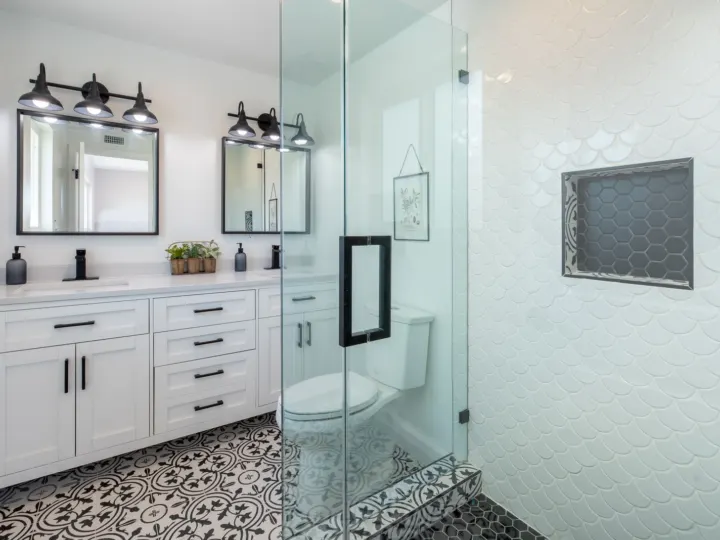
Acid-etched or satin finishes and patterned glass give privacy while still letting light through. They suit shared bathrooms and ensuites that open straight into the bedroom, and they hide water marks better than clear.
Tinted
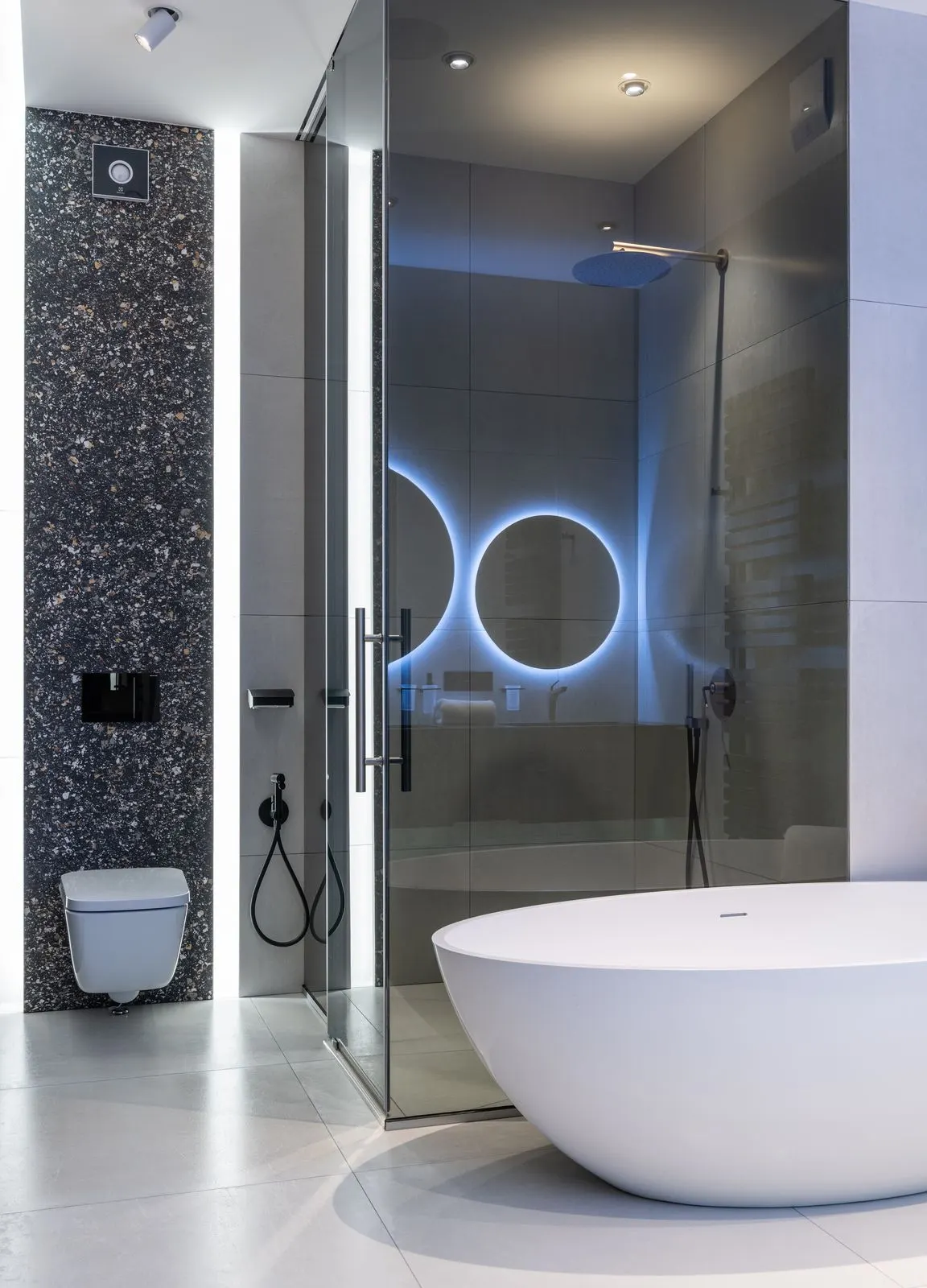
Tinted glass, such as grey or bronze, gives a darker, more design-led look and can pair well with black or bronze hardware.
Options differ between suppliers, so ask us about the glass options we carry for the screen type you are specifying.
Hardware finish considerations
On semi-frameless and frameless screens the hardware is on show, so it needs to match the rest of the bathroom and hold up to daily wet use. Things to settle with the client early:
- Match the tapware: chrome, brushed, matte black and other finishes vary between suppliers, so compare samples rather than relying on a photo.
- Cleaning: matte and brushed finishes need gentle, non-abrasive cleaners. Pass that on in the handover information.
- Coastal and hard water areas: finishes are exposed to water, cleaning products and humidity every day, so talk through durability and care for the conditions.
- Structural role: on frameless screens the hinges and clamps carry the glass, so they are not the place to cut corners.
Where the screen meets waterproofing
Waterproofing of domestic wet areas is covered by AS 3740, again called up through the NCC. The shower screen is not the waterproofing. The membrane, the falls to the waste and the shower area layout do that work, and the screen helps keep water in the shower area.
The interface is where builders need to pay attention:
- Screen fixings pass through the tiles and often through the membrane. Plan fixing positions and make sure penetrations are sealed appropriately.
- On hobless showers, the relationship between the screen line, the falls and the drain needs to be resolved in the design, not on the day the glass arrives.
- Silicone joints at the base and walls are maintenance items. They need to be done properly and checked over the life of the bathroom.
- Screen type and position can affect the extent of waterproofing required around the shower, so confirm the detail with your waterproofer and certifier.
Certification and handover documents
What your certifier wants to see varies, but it is worth collecting the right paperwork as the job progresses rather than chasing it at the end. For shower screens and wet areas, this typically includes:
- Waterproofing certificate from the licensed waterproofer
- Confirmation that the glass is Grade A safety glass, which the permanent marks on the glass help show
- Supplier details for the screen and any guarantee information
- Care and cleaning information for the owner
For our screens, guarantee details are straightforward: 5 years on full-frame and semi-frameless screens, and a lifetime guarantee on 10mm frameless. Add them to your handover pack.
Working with a supplier who knows the rules
Premier Showerscreens & Wardrobes is a trade-only, family-run manufacturer with more than 25 years of experience and HIA membership. Every screen is custom designed and made to order using Australian-standard glass and aluminium products. Browse the range on our shower screens page, and if you need matching vanity mirrors for the same bathrooms, we make those too.
For your next job, send us your plans for a trade quote or call (02) 9625 6211, Monday to Friday, 8:30am to 5pm. Builders ordering regularly can apply for a trade account.
FAQs
What glass is required for shower screens in Australia?
Shower screens need Grade A safety glass under AS 1288, and toughened glass is the usual choice. Confirm the requirements for your project with your certifier.
Can toughened shower screen glass be cut on site?
No. Toughened glass cannot be cut, drilled or notched after it is toughened, so all sizes, holes and cut-outs are made beforehand. Accurate measurements are essential.
Is a shower screen part of the waterproofing?
No. Waterproofing is done by the membrane, falls and shower layout under AS 3740. The screen helps contain water, but it does not replace compliant waterproofing.
What glass options does Premier SW offer?
Clear glass is standard, and other options such as low-iron, frosted or tinted are common in the market. Ask us about the options we carry for your screen type.